
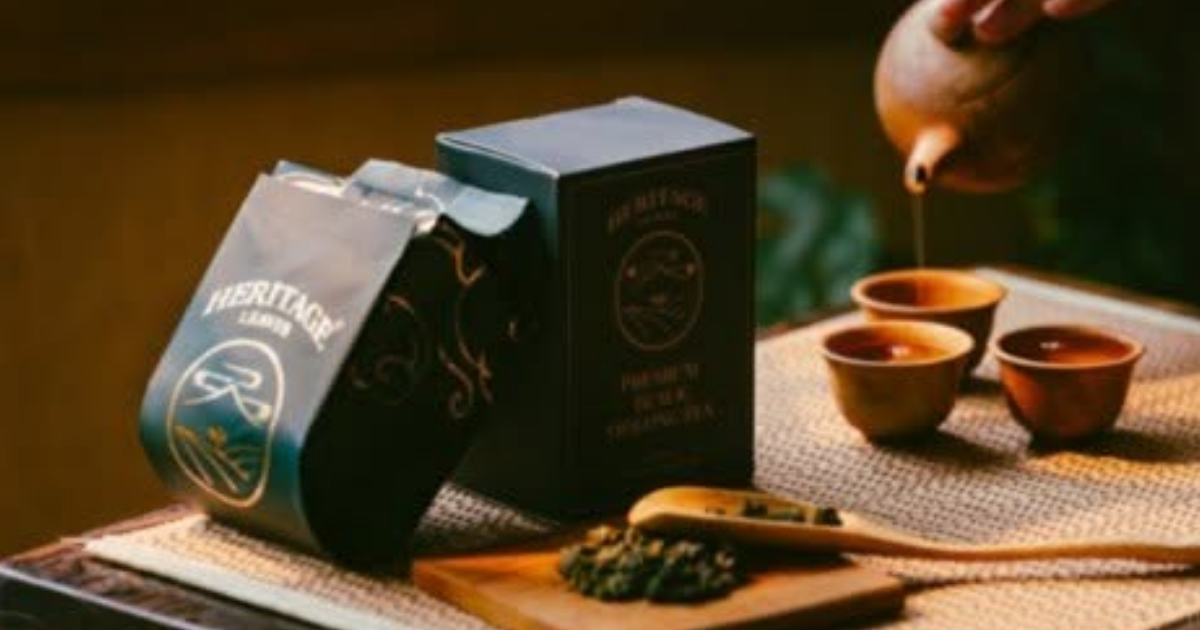
Red oolong tea is one of Taiwan’s most distinctive modern tea styles, combining the aromatic depth of oolong with the fuller sweetness and warm character often associated with more heavily oxidized teas.
For tea drinkers who already enjoy Taiwanese oolong tea but want something richer, smoother, and more rounded, red oolong offers a different expression of the same tea tradition. It is not simply “black tea made from oolong leaves,” nor is it just another dark-colored tea. Its identity comes from the way the leaves are processed, oxidized, roasted, and balanced to create a layered cup.
At Heritage Leaves, we see red oolong as part of the broader story of Taiwanese tea: tradition continuously evolving through craftsmanship, climate, and careful experimentation.
What Exactly Is Red Oolong Tea?
Red oolong is a type of oolong tea that is typically more heavily oxidized than many familiar Taiwanese oolongs.
That higher level of oxidation gives the tea a deeper color and a fuller flavor profile, while the oolong-style processing helps preserve aromatic complexity and structure.
This is why red oolong often sits somewhere between the bright floral character of lighter oolong tea and the rich, rounded profile many people associate with black tea.
Its name can sometimes cause confusion. “Red” does not necessarily refer only to the color of the dried leaf. Instead, it describes the warm amber-to-reddish liquor and the deeper aromatic direction created during processing.
How Is Red Oolong Different from Traditional Taiwanese Oolong Tea?
Taiwanese oolong tea includes a wide range of styles.
Some are lightly oxidized and known for fresh floral notes, while others undergo greater oxidation or roasting to develop warmer, deeper flavors.
Red oolong generally sits toward the more oxidized end of that spectrum.
Compared with a lighter Taiwanese oolong, red oolong may feel:
- fuller in body
- less overtly floral
- warmer and more fruit-forward
- naturally sweeter in impression
- smoother through the finish
That does not mean one style is better than another. They simply highlight different characteristics of the tea leaf.
A lighter oolong may emphasize freshness, flowers, and high mountain aroma, while red oolong often brings forward ripe fruit, honeyed notes, toasted depth, and a rounder mouthfeel.
Is Red Oolong the Same as Black Oolong Tea?
Not exactly.
Red oolong and black oolong tea can share certain characteristics, such as deeper color, stronger aroma, and richer flavor, but they are not automatically the same style.
Black oolong often refers to a darker-roasted or deeper-flavored oolong profile. Red oolong, on the other hand, is generally defined more strongly by its higher oxidation and the resulting balance between fruitiness, sweetness, and oolong structure.
The exact character depends on cultivar, growing conditions, oxidation, roasting, and the choices made by the tea maker.
For this reason, two dark-looking teas can taste very different even if they appear similar at first glance.
Why Does Red Oolong Taste Naturally Sweet?
One of the most noticeable qualities of red oolong is its smooth, naturally sweet impression.
During oxidation, the chemical composition of the tea leaves changes. Aromatic compounds develop differently, creating deeper fruit, honey, and warm floral notes.
The result can feel sweeter even when no sugar has been added.
Depending on the tea, you may notice flavors reminiscent of:
- ripe fruit
- dried fruit
- honey
- caramel
- roasted grain
- warm flowers
These notes are not flavorings added to the tea. In high quality tea, they can emerge naturally from the leaf, growing environment, and processing method.
Why Taiwan Is Especially Suited to Oolong Tea
Taiwan has developed an international reputation for oolong because its climate, mountains, humidity, and tea-making traditions create ideal conditions for producing expressive teas.
Different elevations and regions produce different characteristics in the leaf.
Temperature changes, sunlight, mist, soil conditions, and harvest timing can all influence aroma and texture. From there, the skill of the tea maker determines how those raw characteristics are transformed during withering, oxidation, rolling, drying, and roasting.
Red oolong is a good example of how Taiwanese tea craftsmanship continues to evolve without losing its connection to tradition.
It takes familiar oolong techniques and pushes them in a richer, more oxidized direction.
How Should You Brew Red Oolong?
Red oolong is versatile and can be brewed in several ways.
For a simple everyday cup, use hot water and adjust the amount of tea and steeping time based on how strong you prefer the flavor.
Because red oolong tends to have a fuller profile, it often works well with slightly shorter steeps when using a higher leaf-to-water ratio.
It can also be steeped multiple times. Each infusion may reveal a different layer, with the first cup showing stronger aroma and later infusions becoming softer and sweeter.
For tea drinkers who enjoy experimenting, red oolong can also work well as:
- iced tea
- cold brew
- sparkling tea
- tea-based cocktails
- dessert pairings
Its deeper flavor allows it to remain expressive even when served chilled.
Can Red Oolong Be Cold Brewed?
Yes.
Cold brewing can bring out a softer and smoother side of red oolong.
Lower-temperature extraction tends to reduce some of the sharper or more astringent sensations that may appear in hot brewing, while highlighting sweetness and aroma.
Simply place tea leaves in cold water and refrigerate for several hours. The exact ratio and steeping time can be adjusted depending on the tea and desired strength.
For people who already enjoy cold brew Taiwanese oolong tea, red oolong offers a richer alternative with more fruit and depth.
What Foods Pair Well with Red Oolong?
Because red oolong has both richness and aromatic complexity, it pairs well with a wide range of foods.
Its natural sweetness works particularly well with desserts that are not overly sugary, such as cookies, pastries, nuts, and lightly caramelized baked goods.
It can also complement savory foods, especially roasted meats, grilled dishes, or foods with deeper sauces.
The tea has enough body to stand beside stronger flavors without disappearing, while its clean finish can help refresh the palate.
That versatility makes red oolong suitable not only as a traditional tea but also as part of modern dining and entertaining.
Who Should Try Red Oolong Tea?
Red oolong can be especially appealing if you:
already enjoy oolong tea but want something richer
prefer smooth and rounded flavors
like naturally sweet or fruity teas
enjoy black tea but want more aromatic complexity
want a tea that works both hot and cold
It can also be a useful introduction to Taiwanese tea for people who find very light floral oolongs too delicate.
Red oolong still preserves the complexity of oolong, but presents it in a warmer and more approachable style.
Red Oolong and the Evolution of Taiwanese Tea
Tea traditions survive not because they never change, but because each generation learns how to preserve what matters while continuing to refine the craft.
Red oolong reflects that balance.
It is rooted in Taiwanese oolong tea tradition, yet its deeper oxidation and modern flavor profile show how tea makers continue to explore what the leaf can become.
For Heritage Leaves, tea is more than a finished product in a package. It is the result of place, family knowledge, careful processing, and countless small decisions made from the tea garden to the final cup.
Red oolong is another expression of that living tradition: familiar enough to feel connected to Taiwan’s tea heritage, yet distinctive enough to offer a completely different tasting experience.
FAQ: Red Oolong Tea
Is red oolong tea actually oolong tea?
Yes. Red oolong is still an oolong tea. Its distinctive character comes from a relatively higher level of oxidation and the specific processing techniques used to create its deeper flavor profile.
Does red oolong contain caffeine?
Like most traditional teas made from Camellia sinensis, red oolong naturally contains caffeine. The actual amount in a cup can vary depending on the tea, leaf quantity, water temperature, and steeping time.
Is red oolong sweetened?
Pure red oolong does not need added sugar to taste naturally sweet. Fruity, honeyed, or caramel-like impressions can develop naturally through the tea leaf, oxidation, and roasting process.
Can I drink red oolong iced?
Yes. Red oolong works well both hot and iced. It can also be prepared as cold brew tea for a smoother, softer flavor profile.
What is the difference between red oolong and black tea?
Both can have deeper oxidation and richer flavors, but their processing methods are different. Red oolong retains oolong-specific processing characteristics, giving it a balance of aroma, structure, sweetness, and complexity that differs from fully oxidized black tea.