
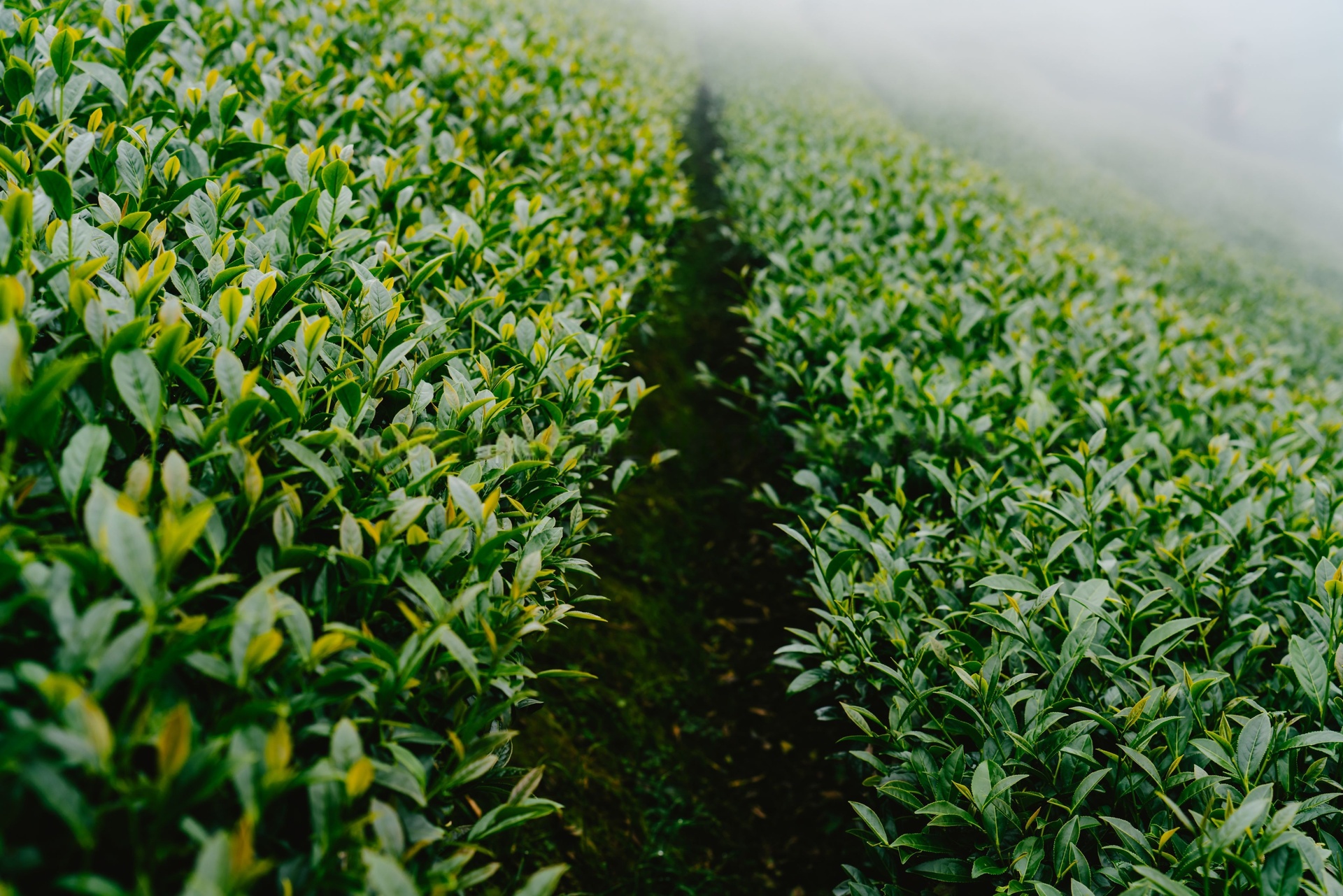
When you sip a cup of Taiwanese black oolong tea, you may notice its silky smoothness and gentle sweetness. But behind that cup lies generations of knowledge and a kind of work that is both physically demanding and deeply meaningful. This is what a day in the life of a tea farmer looks like on my family’s farm.
Daily Work on the Farm
The day begins at dawn, when the morning mist still lingers over the hills of Nantou. My family walks the rows of tea bushes, checking the soil, the leaves, and the weather. Because we farm without pesticides or herbicides, much of the care is done by hand. We pull weeds, tend the soil, and carefully monitor the plants. It is patient work. Cultivation practices and laboratory testing provide different kinds of information, so questions about a particular product should be checked against the relevant current documentation.
The Tea-Picking Process
When harvest season comes, the real work begins. In the cool hours of the morning, skilled hands pluck only the tender top leaves and buds. Each handful matters, because only the finest leaves can produce premium Taiwanese black oolong tea. Once picked, the leaves are left to wither in the sun. Timing is everything, leave them too long or not long enough, and the flavor changes.
From there, the process is intense: rolling, oxidizing, and drying the leaves. Processing requires close attention at each stage; the timing depends on the tea and the production conditions. It’s labor-intensive, exhausting work that demands skill, focus, and tradition passed down through generations.
The Value Behind the Labor
Hand-picking and processing require time and care. This family account explains the work behind our tea; it does not establish a general claim about the choices of younger workers, the rarity of every hand-picked tea, or a guaranteed price premium.
Black oolong itself is relatively new in Taiwan, developed as tea culture has adapted to modern tastes. With bubble tea gaining massive popularity, black oolong has found its own place as another style for drinkers to explore. Unlike fully oxidized black tea, black oolong is only partially oxidized, giving it a unique balance: a character that should be evaluated through the particular product and preparation. We will share more details about this special tea in another article.
For me, every harvest is more than labor, it is love for the land, respect for tradition, and the hope of keeping this craft alive. When you enjoy a cup of Taiwanese black oolong tea, you are tasting not just the leaves, but the story of farmers who dedicate their lives to preserving a heritage that fewer and fewer are willing to continue.
That is why every sip matters. It is not only tea, it is the work of hands, the weight of history, and the persistence of a culture that refuses to fade.
Questions About Taiwanese Black Oolong Tea
Where does this family-farm story take place?
The article describes the Heritage Leaves family farm in Nantou, Taiwan. It is a brand account, rather than a specification for every tea grown in Taiwan.
Does a farming story replace a laboratory report?
No. A cultivation account explains practices; a report addresses the tested sample and its stated scope. Ask for current product documentation when evaluating testing claims.
Where can I learn about the finished black oolong?
See the current product description and the black oolong guide for style and preparation information.
Explore the current tea collection and brewing guide, or ask the brand about product-specific details.